Public Policy Information System
Public
Focuses on the public dimension of policies and how they impact society.
Policy
Addresses the creation, analysis, and implementation of policies.
Information
Emphasizes the role of information in decision-making and transparency.
System
Highlights the integration of technology and structured frameworks.
About PPIS
The first specialized program of its kind in Egypt and the Arab world that combines (Information Systems –
Data – Public Institutions – Public Administration).
The program’s language of instruction: English.
In addition, students study the core courses of the Faculty of Commerce in various fields (Accounting –
Management – Economics – Statistics – History).
The program adopts the credit hour system.
Enables students to select appropriate courses to balance labor market requirements during their study, such
as (Public Policy – Information Systems – Public Administration – Digital Transformation).
Equips graduates with skills and qualifications that enable them to work in applications and technologies of
information in the field of public administration, public institutions, and public policy.
Helps students keep pace with the developments in information technology related to the applications of public
institutions and the state.
Provides practical training within the Faculty of Commerce in the Departments of Political Science and
Information Systems, by engaging with public institutions, public administration, and public policy in
practice, and observing how they function.
Prepares students to enter the international labor market by ensuring program quality and accreditation.
Vision and mission of the program
The Public Policy Information Systems (PPIS) Program aims to prepare a new generation of graduates capable of bridging the fields of public policy, data science, programming, and artificial intelligence. The program equips students with the knowledge and skills needed to design innovative solutions, support evidence-based decision-making, and contribute effectively to digital transformation in public institutions at the national and international levels.
Courses

Fundamental of Political Science
Introduces the basic concepts and theories of political science, providing students with the foundation to understand political systems, governance, and the role of institutions in shaping public policy.

Technology and Politics
Explores the relationship between technological innovation and political processes, highlighting how digital transformation, social media, and information systems influence modern governance and decision-making.

Fundamentals of Management and Organization
Covers essential principles of management, leadership, and organizational structures, equipping students with the skills to analyze and design effective institutions in the public and private sectors.

Principles of Economics
Provides an introduction to micro and macroeconomic principles, helping students understand resource allocation, markets, and the economic factors that affect public policies and governance.

Computer Basics
Introduces students to the fundamental concepts of computer science, including hardware, software, and basic programming skills. This course builds the technical foundation necessary for applying information systems in public policy.

Information Systems
Focuses on the role of information systems in organizations and governance. Students learn how data, technology, and systems integration support decision-making and improve policy implementation.

Public Administration
Explores the principles and practices of managing public organizations. It focuses on governance, public service delivery, and administrative processes in government institutions.

Programming
Introduces basic programming languages and problem-solving techniques. Students gain skills to design and implement software solutions relevant to public policy and information systems.

Computer Networks
Covers the fundamentals of networking, communication protocols, and internet infrastructure. Essential for understanding how information systems connect and share data securely.

Contemporary Issues
Examines current global and local issues such as climate change, globalization, security, and digital transformation, highlighting their impact on governance and policy-making.

Accounting
Provides an introduction to financial and managerial accounting concepts. Helps students understand budgeting, financial reports, and resource management in both public and private sectors.

Comparative Politics
Analyzes different political systems and institutions across countries. Students compare democracies, authoritarian regimes, and hybrid systems to better understand global governance.

Public Finance
Focuses on government revenues, expenditures, and budgeting. It teaches students how public resources are managed and the economic impact of fiscal policies.

Programming 2
An advanced continuation of Programming. Students learn more complex coding concepts, algorithms, and applications relevant to information systems and public sector needs.

Public Policy
Explores how policies are formulated, implemented, and evaluated. It highlights decision-making processes and the role of institutions in shaping public policy.

Systems Analysis and Design (SAD)
Introduces techniques for analyzing and designing information systems. Students learn to model processes and build effective systems to support decision-making.

Local Administration
Studies governance and management at the local government level. It focuses on decentralization, municipal services, and the relationship between local and central authorities.

Methodology of Public Policies
Covers research methods, tools, and analytical techniques used in public policy studies. Students learn how to design, analyze, and evaluate policy frameworks effectively.

Governmental Accounting
Focuses on accounting systems and standards used in the public sector. Students learn how governments record, monitor, and report financial activities.

Database
Covers the design, implementation, and management of databases. Students explore data modeling, SQL, and how information is stored and retrieved efficiently.

Data Structures
Introduces the fundamental structures for organizing and storing data (arrays, stacks, queues, trees, graphs). Essential for problem-solving and efficient programming.

Public Opinion
Studies the formation, measurement, and influence of public opinion on politics and decision-making. Highlights the role of media and surveys.

Statistics
Provides tools for collecting, analyzing, and interpreting data. Crucial for policy research, decision-making, and evaluating programs.

Civil Society
Examines the role of NGOs, community organizations, and civic engagement in governance. It highlights participation beyond government institutions.

Managerial Information System (MIS)
Description: Introduces how organizations use information systems to support decision-making, efficiency, and strategic planning. Students learn to bridge business needs with technology solutions.

Fundamentals of Artificial Intelligence (AI)
Description: Covers the basics of AI concepts, including machine learning, reasoning, and problem-solving. Emphasizes how AI can enhance policy-making and public administration.

Leadership and Communication for Public Affairs
Description: Focuses on leadership skills, negotiation, and effective communication in public service. Prepares students to influence policy and engage stakeholders.

Quantitative Methods and Operations Research for Public Policy
Focuses on government revenues, expenditures, and budgeting. It teaches students how public resources are managed and the economic impact of fiscal policies.

Marketing
Description: Provides an understanding of how to identify, reach, and serve target audiences effectively. Highlights the role of marketing strategies in promoting public services and policies.

Social, Environmental, and Transportation Policy
Description: Examines the intersection of public policy with social equity, environmental sustainability, and transport planning. Encourages holistic solutions for modern societal challenges.

Data & Machine Learning
Description: Covers data preprocessing, feature engineering, and machine learning models for classification and prediction. Emphasizes practical use of ML to extract insights from policy data and to support evidence-based decision-making.

Advanced Databases
Description: Deep dive into advanced database topics — indexing, transactions, distributed databases, NoSQL, and performance tuning. Focuses on scalable, secure data storage solutions for large-scale public information systems..

Management of Political & International Crises
Description: Studies crisis management frameworks, emergency response, and international coordination during political or humanitarian crises. Trains students to design policy responses and manage communication under pressure.

Political Development & Governance
Description: Explores historical and contemporary pathways of political development, state-building, and governance reforms. Examines institutional capacity, democratization, and policy implications for development.

Econometrics
Description: Introduces statistical methods and econometric models for estimating policy effects using real data. Teaches regression analysis, hypothesis testing, and interpretation of empirical results for policy evaluation.

Security Policy
Description: Focuses on national and international security policy, risk assessment, and security governance. Covers cyber-security policy, defense strategy, and the balance between security and civil liberties.

Data Mining and Big Data Analytics
Description: Focuses on techniques for extracting knowledge from large datasets. Covers big data tools and applications in policy analysis, trend detection, and decision support.

Data and Information Security
Description: Explores methods to secure information systems against cyber threats. Emphasizes confidentiality, integrity, and availability in public policy data management.

Public Administration Information Systems
Description: Examines the role of IT systems in modern public administration. Students learn how digital platforms improve transparency, efficiency, and citizen engagement.

Managing Social and Political Risk in Public Policy
Description: Teaches strategies to identify, assess, and manage risks that arise in social and political contexts. Emphasizes resilience and proactive policy planning.

Information Systems and Public Policy-Making
Description: Highlights how information systems support evidence-based policy design. Focuses on data-driven decision-making, e-government, and smart governance.

Marketing Public Policy
Description: Introduces techniques to communicate, promote, and gain support for public policies. Focuses on media strategies, public opinion, and policy campaigns.

Foreign Policy Information Systems
Description: Explores how information systems shape international relations and foreign policy. Covers diplomacy, intelligence systems, and global communication networks.

Money and Banking
Description: Provides an understanding of financial systems, banking operations, and monetary policy. Links economic stability with public finance and governance.

Expert System
Description: Studies AI-based systems that mimic human decision-making. Applied in diagnostics, policy advising, and automation of complex tasks.
.png)
Geographic Information Systems (GIS)
Description: Focuses on mapping and spatial analysis for planning. Useful in urban development, environmental monitoring, and disaster management.

Health Information Systems
Description: Covers digital systems for managing healthcare data. Enhances efficiency, patient care, and policy-making in public health.

Digital Forensics and Cybersecurity
Description: Explores methods for securing systems, investigating digital crimes, and protecting sensitive data from cyber threats.

Transport Information Systems
Description: Examines IT applications in transportation networks. Focus on traffic management, logistics, and smart mobility.

Data Visualization
Description: Teaches how to present complex data in visual forms for easier understanding and decision-making.

Integrated Systems for Enterprises Management
Description: Studies enterprise resource planning (ERP) and integrated IT systems to improve efficiency and coordination in organizations.

Information Economy
Description: Focuses on the role of information as an economic resource. Covers knowledge-based economies, innovation, and digital markets.

Decision Support Systems
Description: Explores systems that aid decision-making through data analysis, models, and simulations in business and public policy.
Regulations
Admission & Study System
Admission Requirements
-The applicant must hold a General Secondary School Certificate (Thanaweya Amma) and be admitted to the
Faculty of Commerce, Assiut University (regular system) through the official placement card.
-The program accepts transfer students from other faculties and institutes, provided that they meet the
announced admission requirements.
-The number of students admitted to the program each academic year is determined by the Faculty Council and
approved by the University Council, not exceeding 200 students per year (regular system).
-Students from both Literary and Scientific tracks of Thanaweya Amma are eligible to apply.
-The number of admitted students is subject to the approval of the University Council.
-Admission is based on the internal placement system approved by the university, according to the highest
legal scores.
-The legal score is calculated from the English language score + the total score
Study System (Credit Hours)
-The program follows the Credit Hours System, where graduation depends on the total number of credit hours completed rather than the number of academic years. -Each course has a specific credit weight (e.g., 3 or 2 credit hours). -Students register 18 credit hours per semester. -Graduation is achieved once the student completes the required number of credits (typically 143 credit hours). -This system gives students flexibility in choosing their courses, planning their academic path, and even accelerating or extending their study period according to their abilities.
GPA Grading Scale
A+ : 90–100% → 4.0
A : 85–90% → 3.75
B+ : 80–85% → 3.4
B : 75–85% → 3.1
C+ : 70–75% → 2.8
C : 65–70% → 2.25
D+ : 60–65% → 2.25
D : 50–60% → 2.0
F : >50% → 0.0
Events & Visits
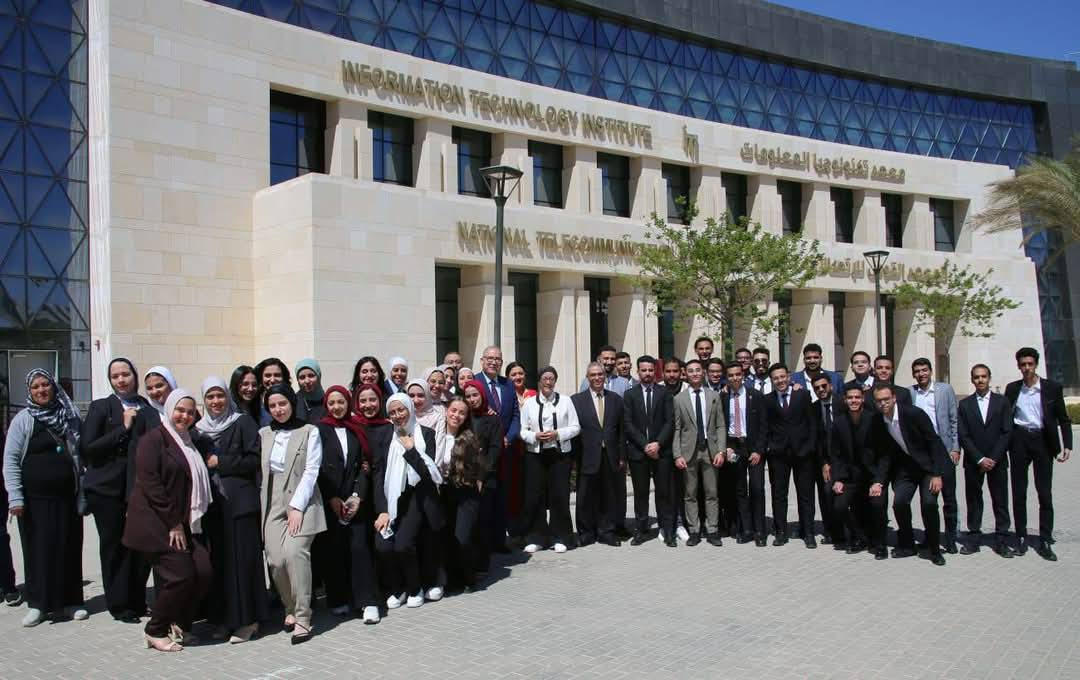
Visit to the Information Technology and Communications Institute (ITI) in the Administrative Capital
The first student visit from Assiut University to the main branch of the Information Technology Institute of the Ministry of Communications in the New Administrative Capital during the era of the New Republic.
Read More
Visit the Cabinet's Information and Decision Support Center in the Administrative Capital,
Students visited the national parliament to observe policy-making processes in real time.
Read More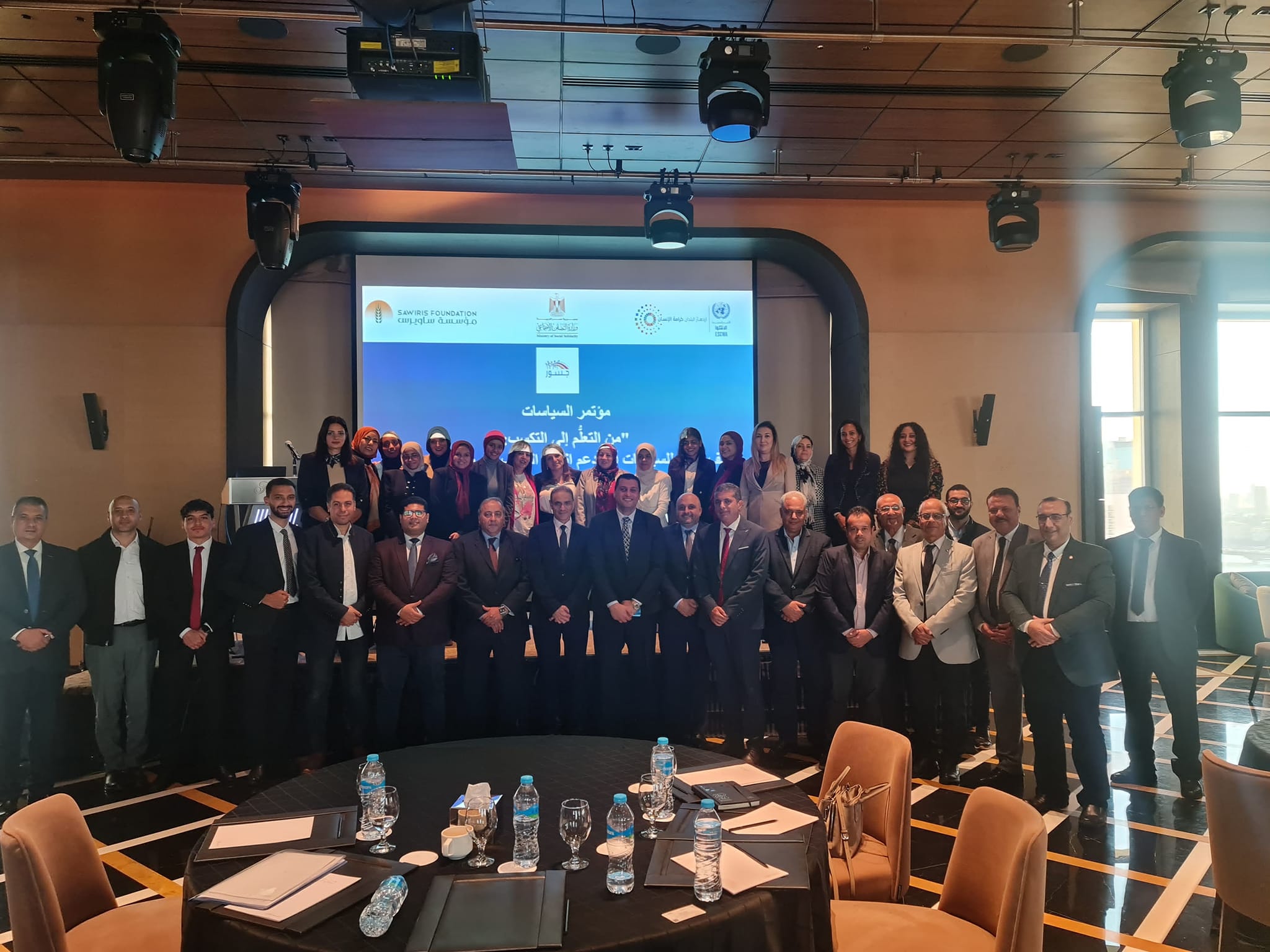
ESCWA conference
United Nations Economic and Social Commission for Western Asia (ESCWA) Conference: Policy Conference: From Learning to Earning: How Can Policies Support Youth's Transition to the Labor Market?
Read More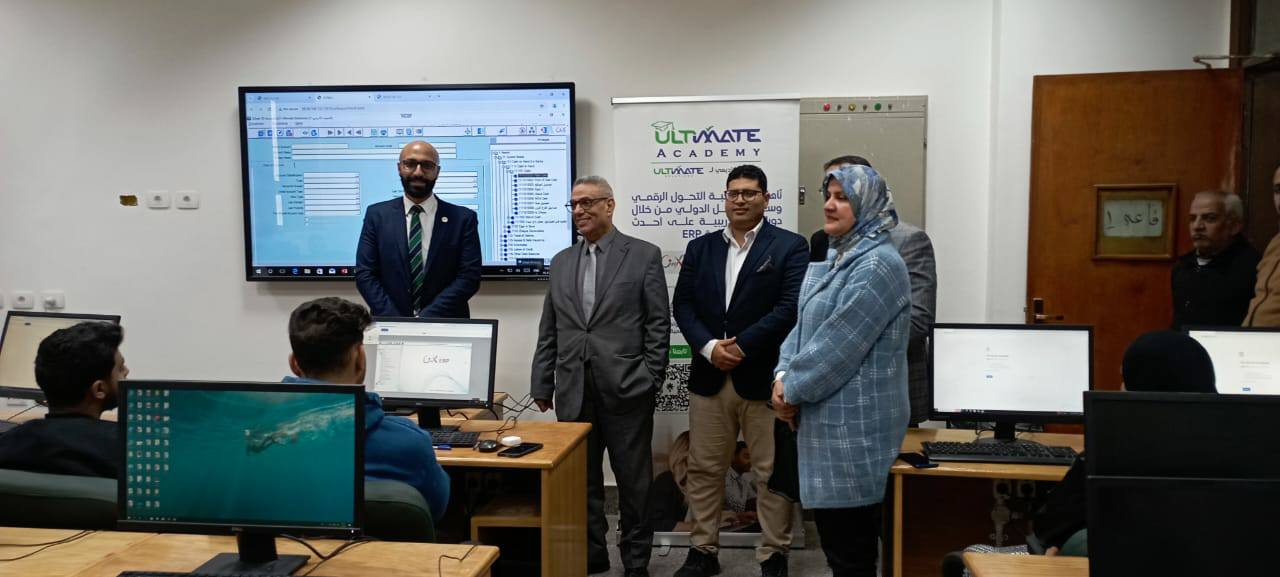
Ultimate Academy launches its first training course on electronic accounting for the (PPIS) program
Within the framework of cooperation between Assiut University and the global company Ultimate Solutions for the Onyx ERP system, exclusive free scholarships are offered to students of the PPIS program at the Faculty of Commerce.
Read More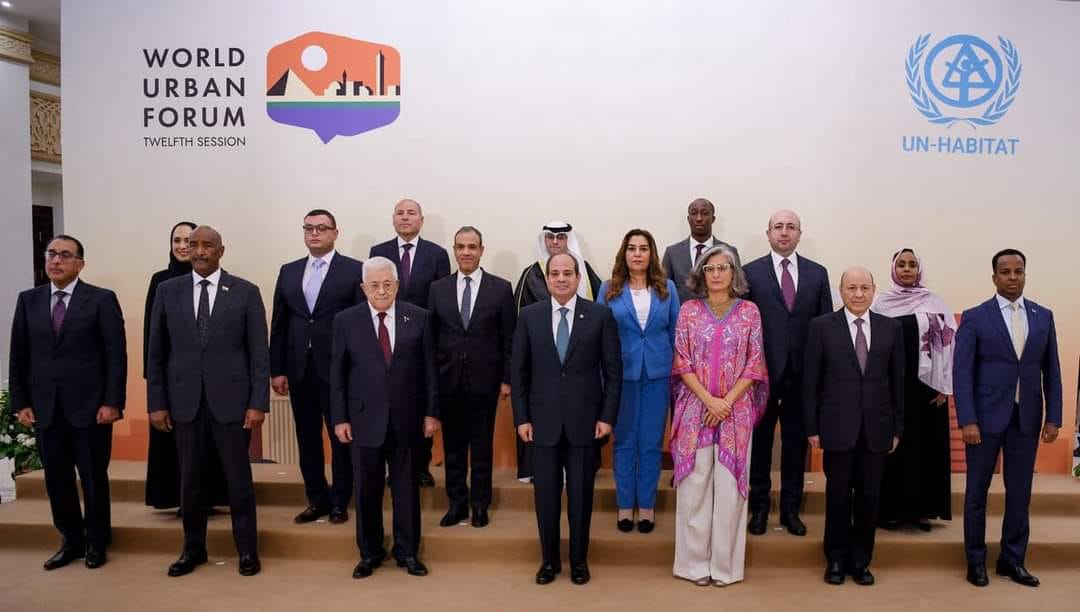
The 12th World Urban Forum under the auspices of the President of the Republic
Student participation aims to promote openness to other cultures. FIFA 12 focuses on localizing the Sustainable Development Goals, highlighting the local actions and initiatives needed to mitigate current global challenges that impact people's daily lives.
Read More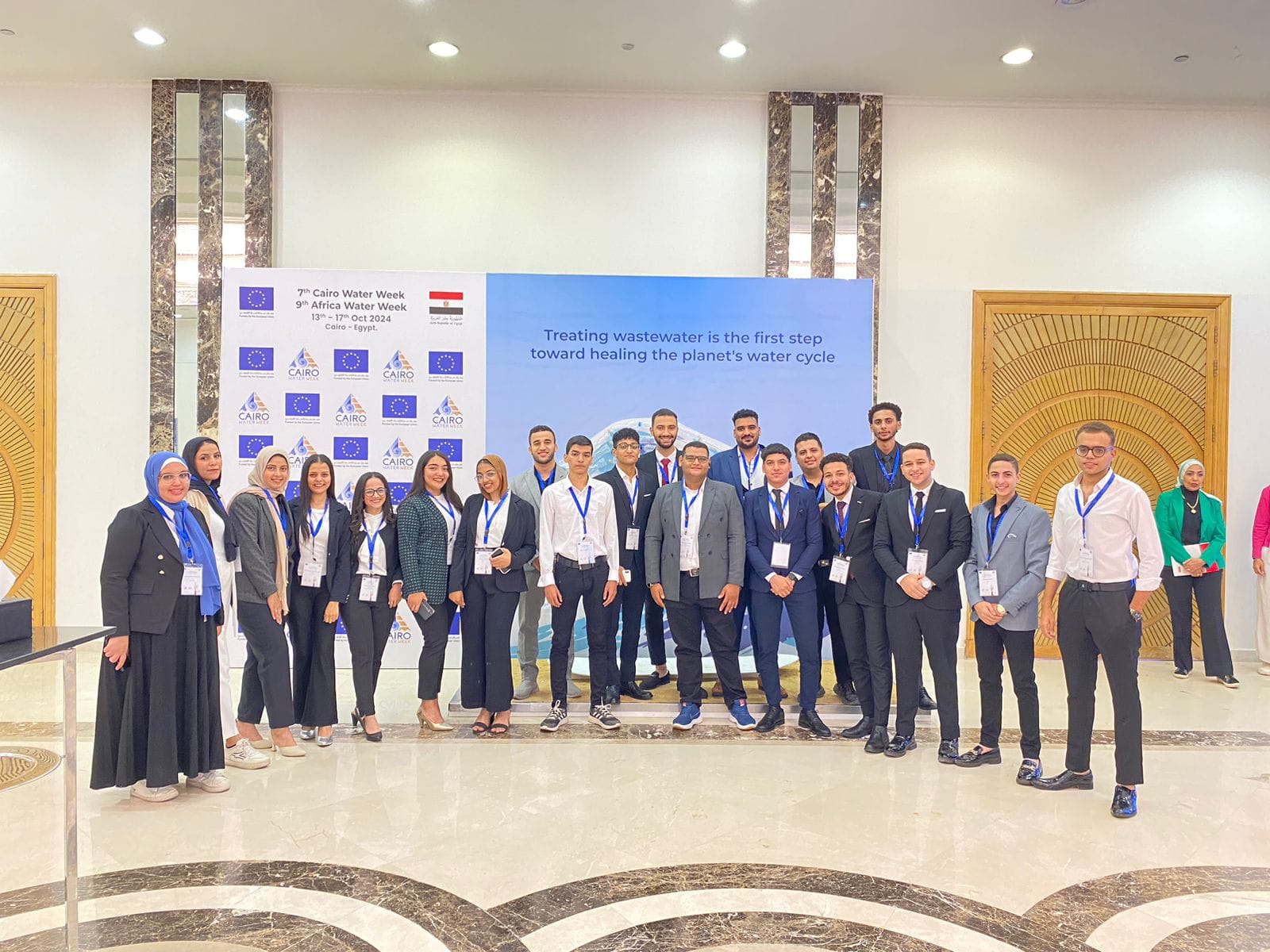
PPIS Students participated in "2nd Aqua Dialogues" For the second year
This event is organized by European Union Delegation and The Egyptian Ministry of Water Resources and Irrigation every year under title "The Cairo Water Week" Water and Climate: Building Resilient Communities.
Read MoreFor more.....
PPIS Graduates Job Opportunities
Data Analyst
Collects, cleans, and interprets data to help organizations make better, evidence-based decisions.
Cyber Security Specialist
Protects systems and networks from cyber threats, ensuring confidentiality, integrity, and data security.
Data and Information Security Specialist
Designs and implements policies to safeguard sensitive data and prevent unauthorized access or breaches.
Digital Marketing Specialist
Plans and manages online marketing campaigns to promote services, increase visibility, and engage audiences.
E-Tax Specialist
Supports digital tax systems and ensures compliance with e-tax regulations using modern technology solutions.
Information Systems Specialist
Manages and develops IT systems that improve organizational efficiency and support decision-making.
Market Research Analyst
Studies market trends and consumer behavior to provide insights that guide business and policy strategies.
Banker
Provides financial services such as loans, investments, and account management to individuals and businesses.
Financial Analyst
Evaluates financial data, forecasts performance, and advises on investment or budgeting decisions.
Health Information Systems Specialist
Develops and manages healthcare data systems to improve patient care and health policy planning.
Intelligent Transport System Specialist
Designs and manages smart transport technologies to improve mobility, safety, and traffic management.
Geographic Information Systems / Remote Sensing Specialist
Uses GIS and remote sensing tools to analyze spatial data for urban planning, environment, and policy-making.
Management Information Systems Specialist
Oversees MIS platforms that connect business processes with technology to improve efficiency and reporting.
Digital Transformation Specialist
Leads initiatives that modernize organizations through digital tools, automation, and process innovation.
Big Data Analyst
Analyzes large and complex datasets to uncover patterns, trends, and insights that support policy and business.
Digital and Social Media Specialist
Manages digital platforms and social media strategies to strengthen communication and public engagement.
Strategic Information Systems Analyst
Aligns information systems with long-term organizational goals to enhance competitiveness and performance.
Public Policy Analyst
Researches, evaluates, and advises on the effectiveness of public policies to address societal challenges.
News Websites Data Analyst
Examines online news trends, audience engagement, and content performance to guide media strategies.
Public Policy Information Systems Analyst
Integrates technology with policy analysis to improve transparency, governance, and decision-making.
E-Governance Specialist
Implements digital solutions in government services to enhance transparency, efficiency, and citizen access.
Executive Committee

Prof. Dr. Alaa Abdel Hafeez
Dean, Faculty of Commerce
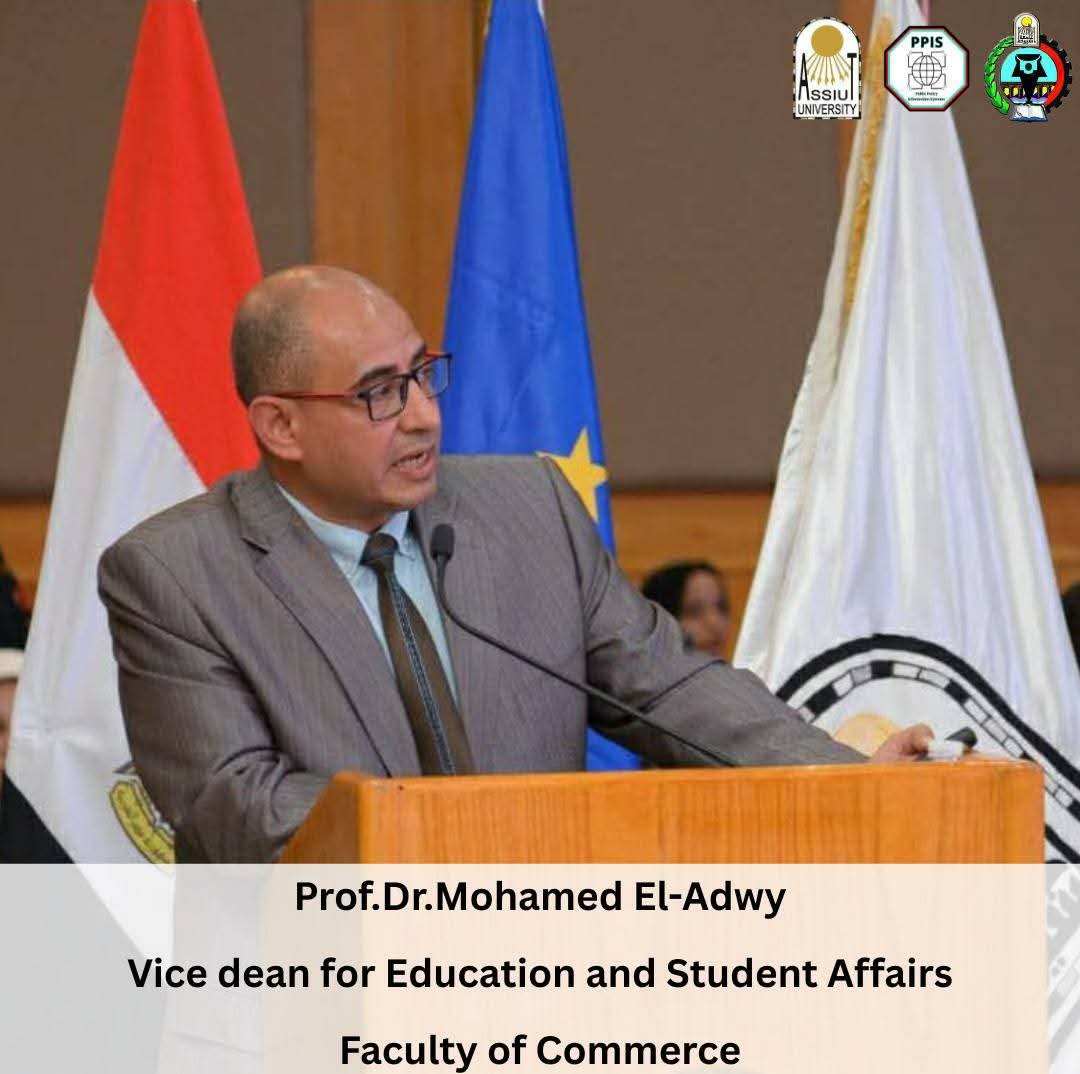
Prof. Mohamed Adawy
Vice Dean for Education & Student Affairs

Assoc. Prof. Ahmed El-Shoura Abozeid
Academic Coordinator, PPIS Program
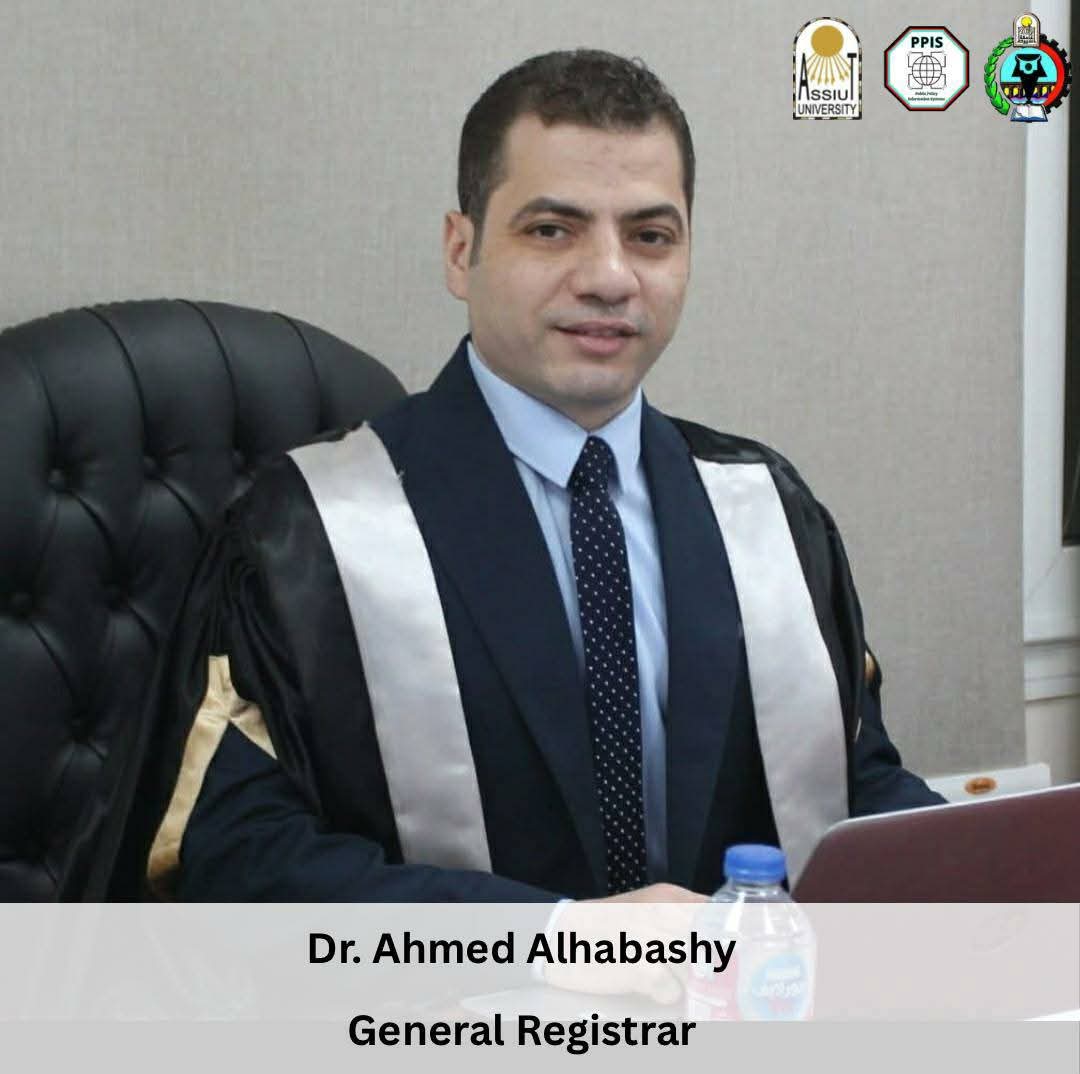
Dr. Ahmed Alhabashy
General Registrar
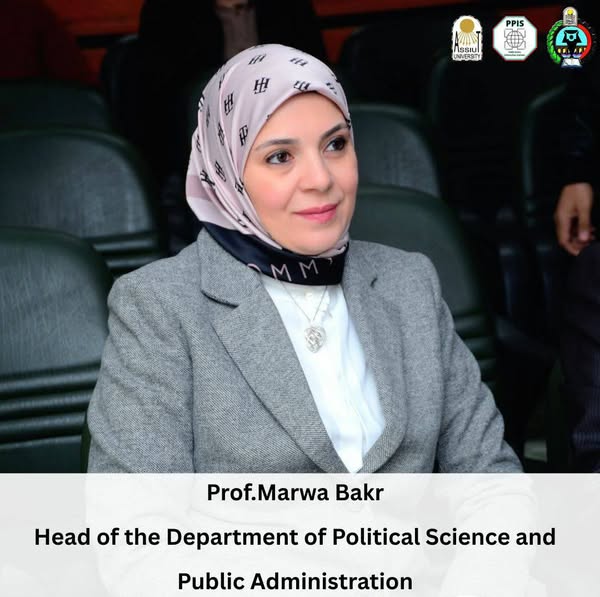
Assoc. Prof. Marwa Bakr
Head, Department of Political Science & Public Administration
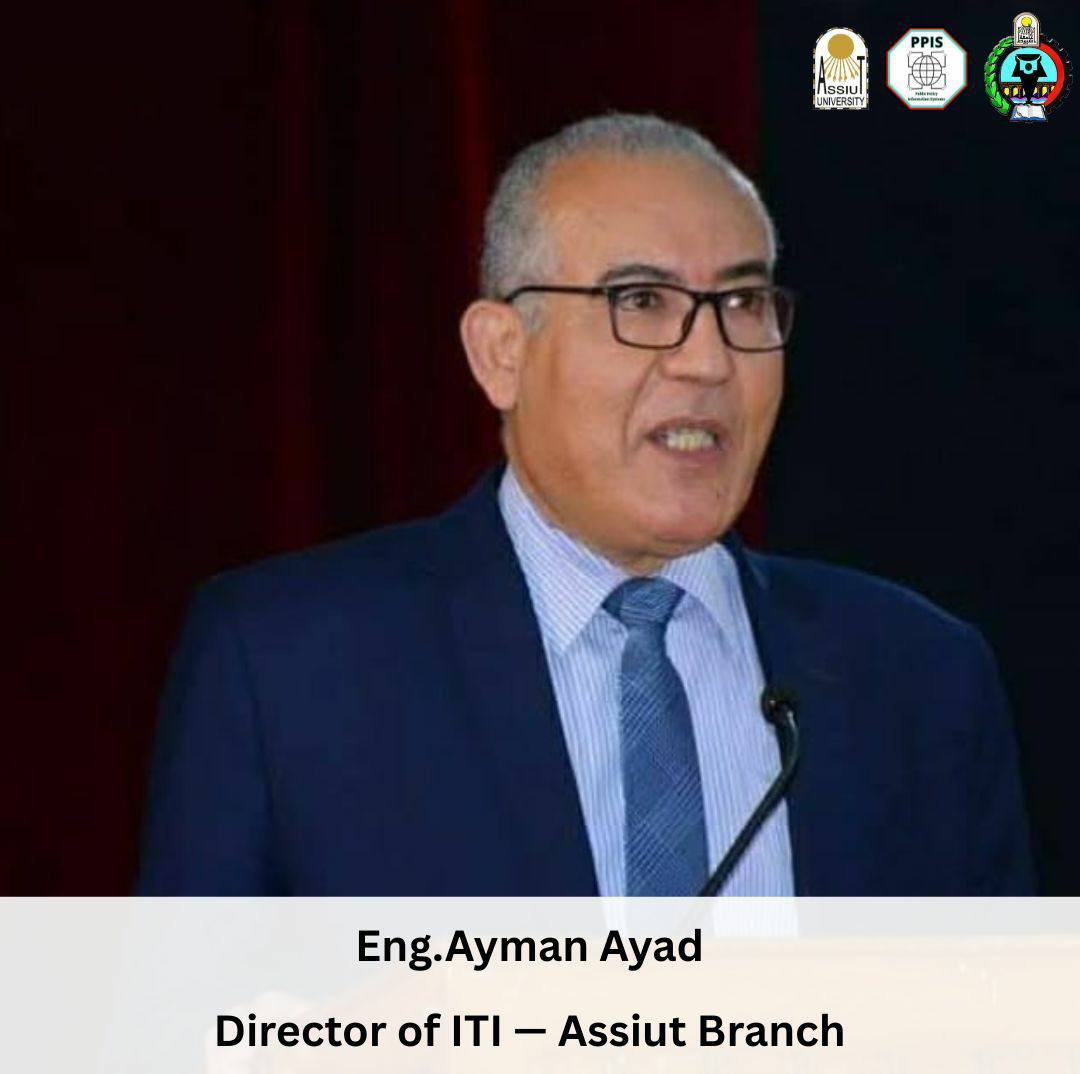
Eng. Ayman Ayad
Director, ICT Institute (Ministry of Communications – Assiut Branch)

Dr. Abdel Karim Mahmoud
Financial Officer